
Tridactyls vs Reptilians
A comprehensive scientific study comparing the unique biological structures of Tridactyl specimens with modern Human anatomy using advanced CT imaging.
Pictorial essay © K H Fung / Tridactyls.org
Human-like vs. reptilian-like tridactyls
Dr. Fung compares human-like tridactyls, described in the report as hominid or human-like, with reptilian-like tridactyls. The report states that both groups share bipedalism and tridactyl hands and feet, but represent completely different biological entities.
All points below are summarized from the June 2026 formal publication PDF by Dr. K. H. Fung.
Specimens referenced in the report
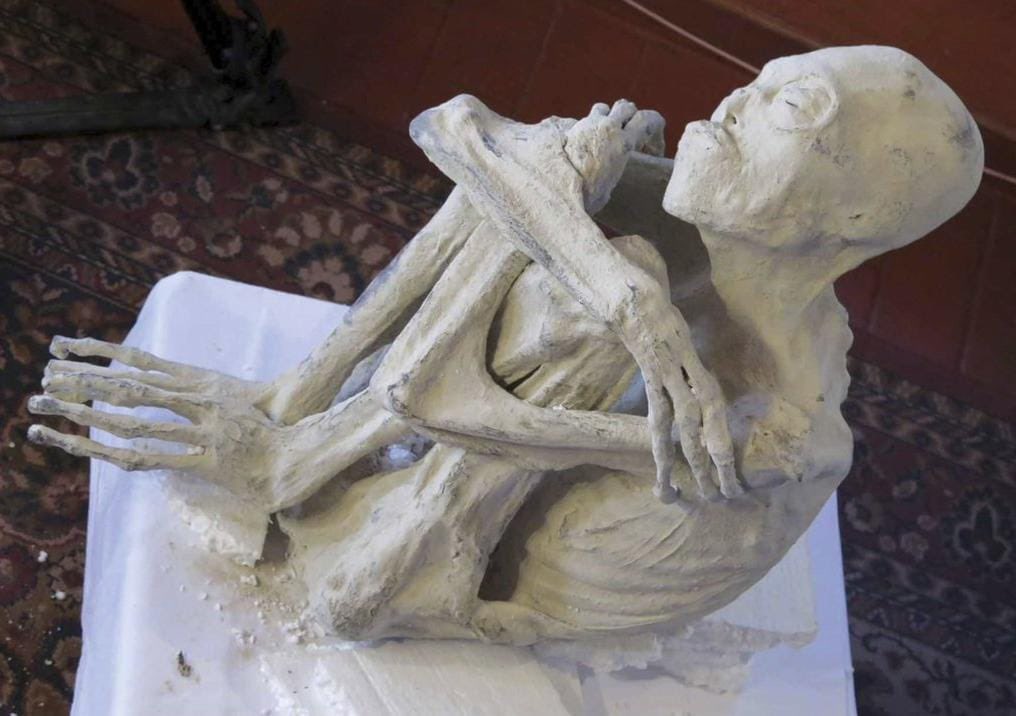
Maria
Human-like adult specimen included in the comparison; the report notes a strong human resemblance with unusual features.
Learn more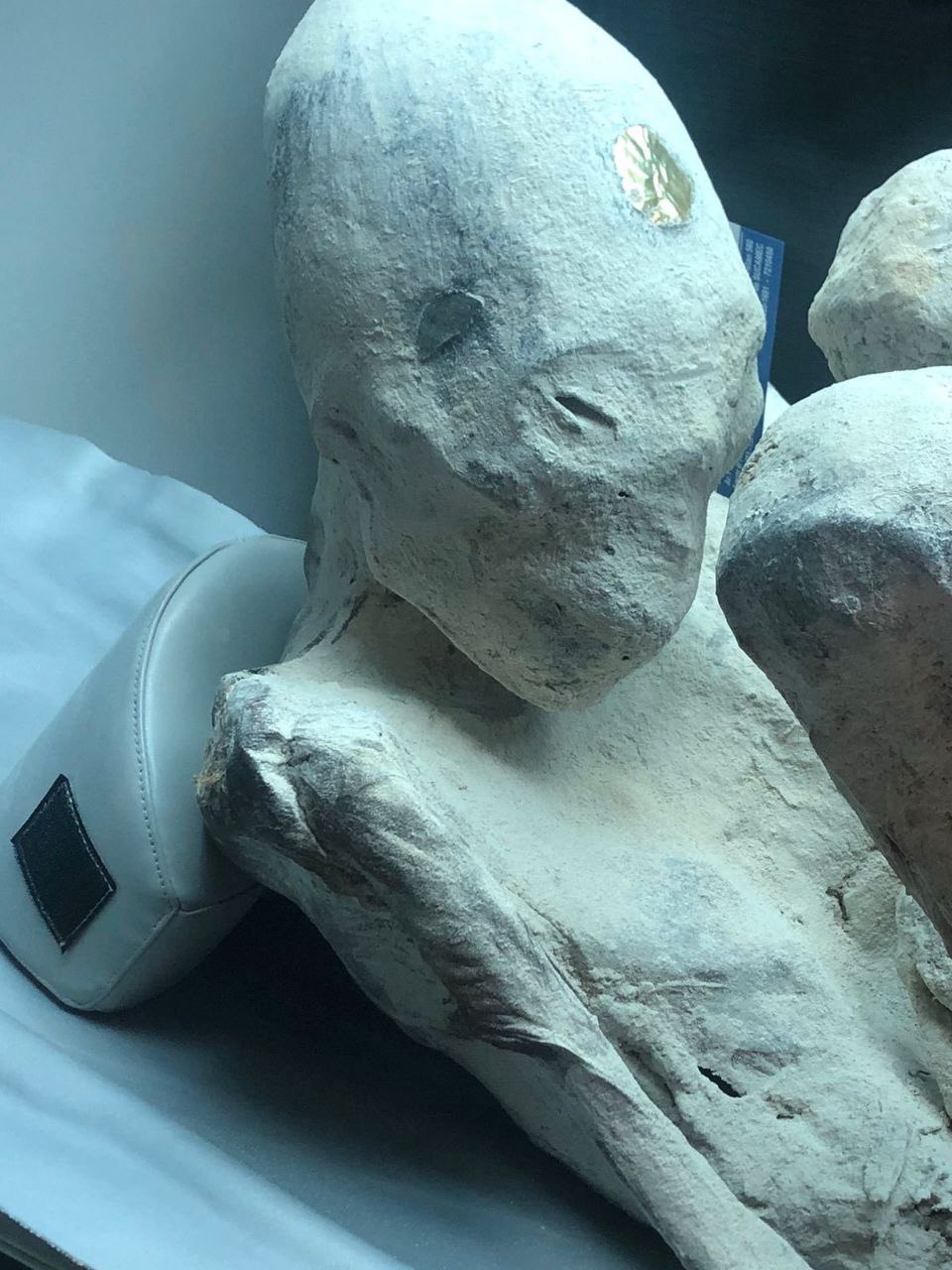
Montserrat
Human-like pregnant specimen; the report identifies a well-formed foetus named Rafael.
Learn more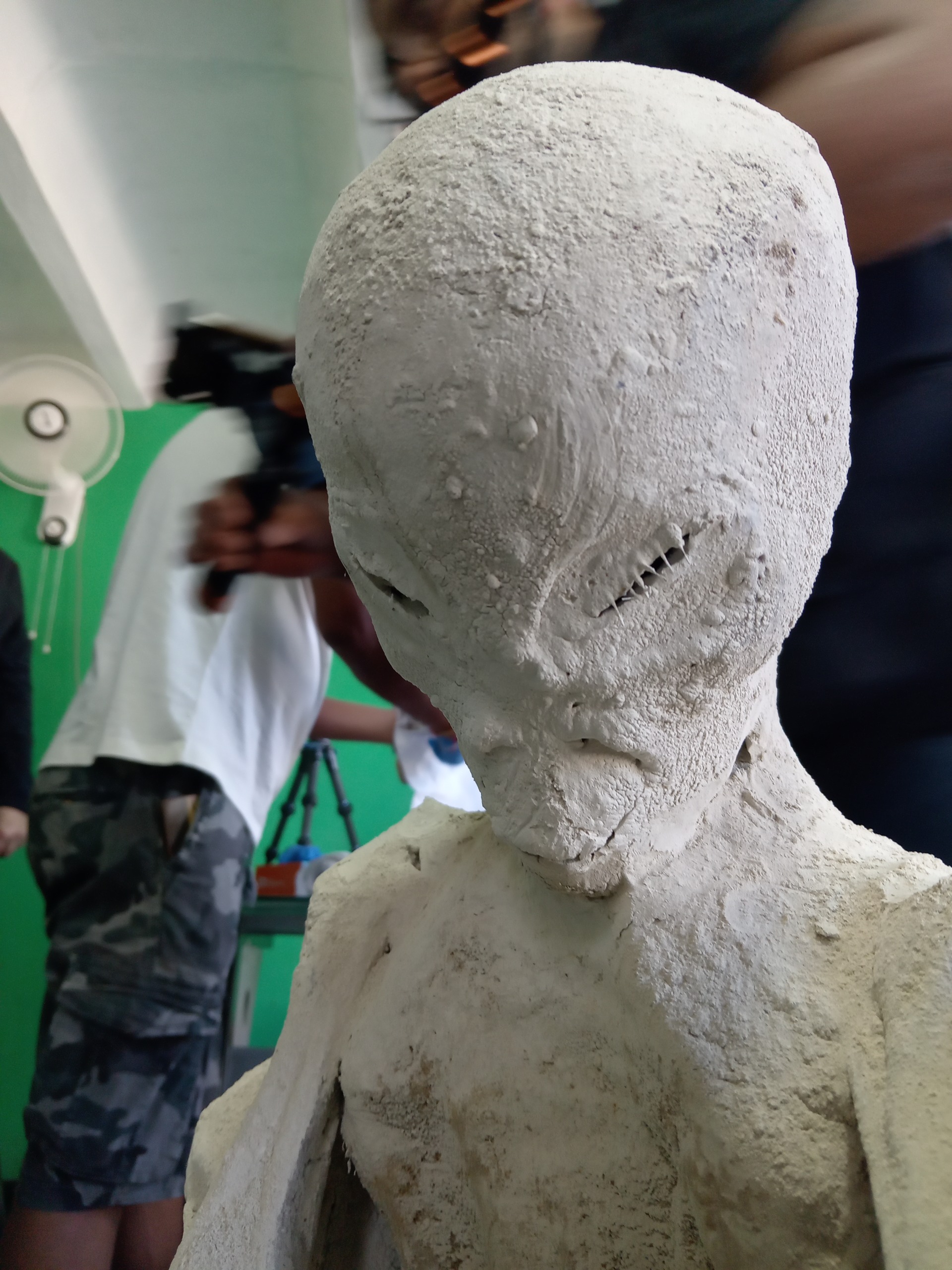
Sebastian
Human-like child or adolescent specimen; the report discusses cervical implant fusion and unusual spinal findings.
Learn more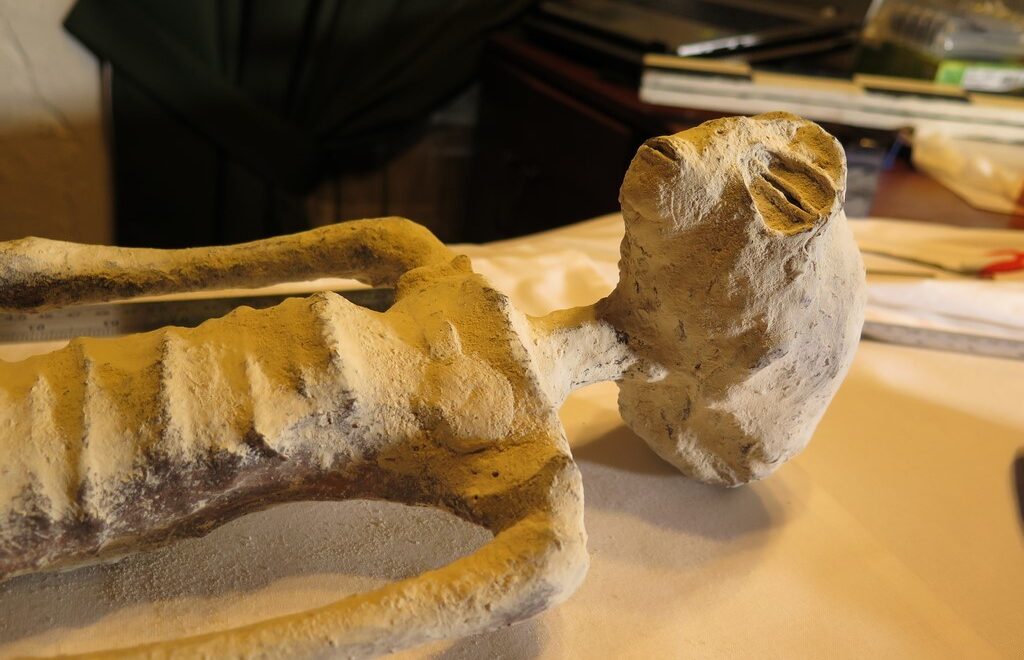
Josefina
Reptilian-like specimen; the report describes reptile-like skin texture, eggs, gastralia, and dumbbell-shaped chest implants.
Learn more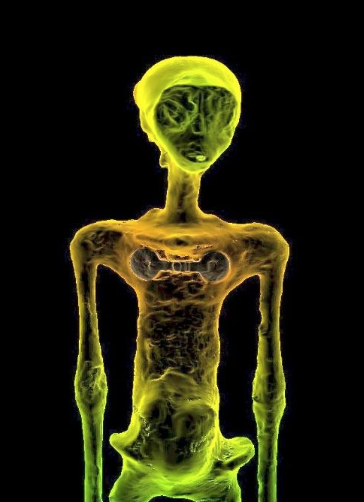
Luisa
Reptilian-like specimen shown in the report beside Josefina and Alberto; the report notes eggs, shoulder findings, and distinctive limb anatomy.
Learn more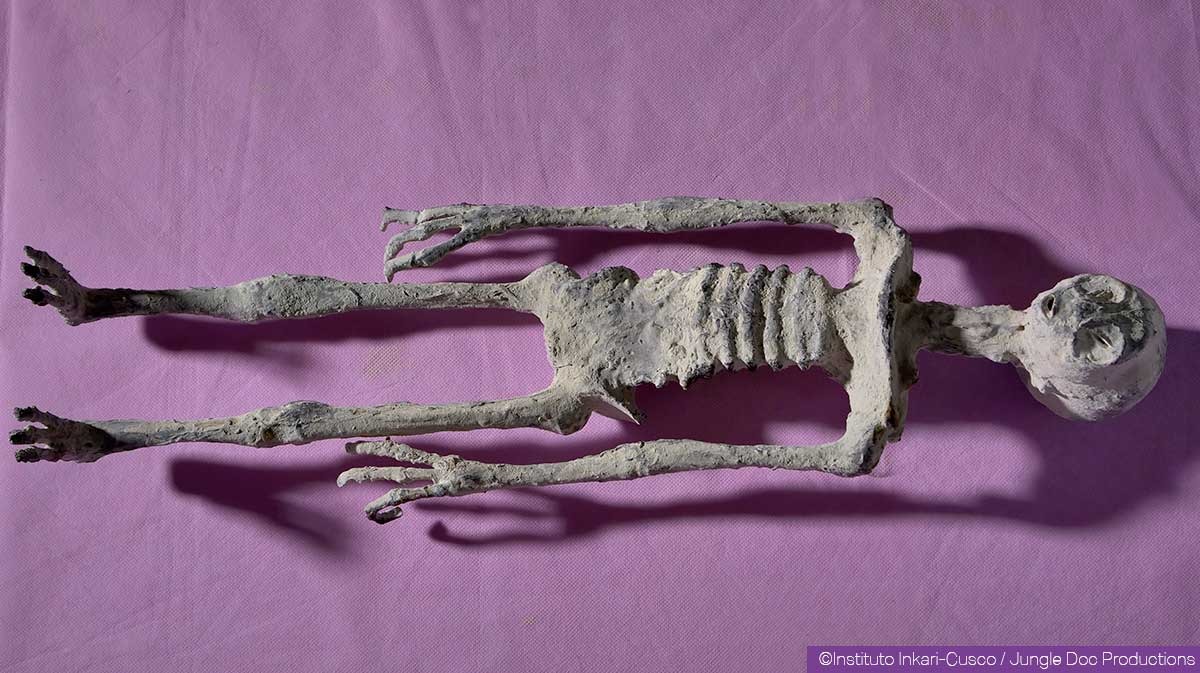
Alberto
Reptilian-like specimen with a notably long neck; the report describes anatomy distinct from human-like tridactyls and a right hip implant.
Learn moreReport-backed comparison
The report states both groups show coherent, detailed, complex, integrated anatomy consistent with once-living biological entities. Together, they represent an undiscovered humanoid species.
The conclusion says reptilian-like traits are unique and not documented in other animals, including unique skeletal structures, reptile-like skin, eggs, tubular rudimentary heart, great vessels on the right side, and unique orbits.
| Topic | Human-like | Reptilian-like |
|---|---|---|
| Group definition | Referred to as hominids, with strong resemblance to humans but unusual features not found in modern humans. Maria, Montserrat with Rafael, and Sebastian are included. | Referred to as reptilians, roughly 60 cm long, anatomically very different from humans, and represented in the study by Josefina, Luisa, and Alberto. |
| Shared baseline | Both groups share bipedalism and tridactyl hands and feet. | The report states the same shared baseline, while concluding the groups are completely different biological entities. |
| Preservation and surface anatomy | Well-preserved desiccated bodies with intact skin, teeth, bones, muscles, ligaments, tendons, fascia, internal organs, brain remnants, and no identified navel. | Intact skin surfaces are described, with bristle-like scalp projections and reptile-like patterned skin texture on Josefina; no navel or nipple is identified. |
| Head and neck | The head resembles a human skull in having cranium, orbits, facial bones, petrous bones, paranasal sinuses, mandible, and a human-like cervical spine. | The skull is described as a single hollow bony structure without the same compartments, with scaphoid shape, V-shaped ridges, unusual otic capsules, and no atlas-axis-odontoid arrangement. |
| Thorax and heart | Thoracic cage configuration is similar to humans, with ribs, costal cartilages, manubrium, sternum, and a left-sided four-chamber heart identified. | Thoracic cage structure is completely different, with a butterfly-shaped air-filled lung cavity, furcula/gastralia relationships, and a suspected rudimentary tubular heart on the right side. |
| Abdomen and reproduction | Solid organs are replaced by air-filled cavities leaving capsules; Montserrat has a gravid uterus on the right side containing the foetus Rafael. | Gastralia form a strong bony abdominal shield; Josefina and Luisa bear dense eggs with contents described as suggestive of embryos. |
| Limbs and digits | Upper and lower limb proportions remain similar to humans, with paired forearm and leg bones, patellae, Achilles tendon, human-like tarsal alignment, and tridactyl hands and feet without metacarpals/metatarsals. | Single forearm and leg bones replace paired bones; single slab-like carpal and tarsal bones support three widely spaced digits, with no metacarpals, metatarsals, palm, or forefoot. |
| Spine | Spine is essentially similar to humans, with cervical, thoracic, lumbar, and sacral segments; Sebastian has unusual generalized calcified intervertebral disks. | Spine is described as unprecedented and completely different from human-like specimens, with 22-25 segments, thick hyper-dense disks, variable cervical segments, and a wide spinal canal ending abruptly. |
Report Focus
- Compares human-like tridactyls with reptilian-like tridactyls.
- Links the report to Maria, Montserrat, Sebastian, Josefina, Luisa, and Alberto specimen cards.
- Keeps the comparison tied to the PDF with page references for each topic.
Note: The people pictured in this study are involved in the scientific analysis and documentation of the specimens. They are not the authors of the current pictorial essay.
Dr. K.H. Fung
Retired Radiologist (40+ years experience in diagnostic radiology and 3D visualization)