November 2017
Instituto Inkarri recovers another small body and a large tridactyl hand (38 cm).
August 2017
Instituto Inkarri examines three new small specimens, two of which contain eggs.
July 11, 2017
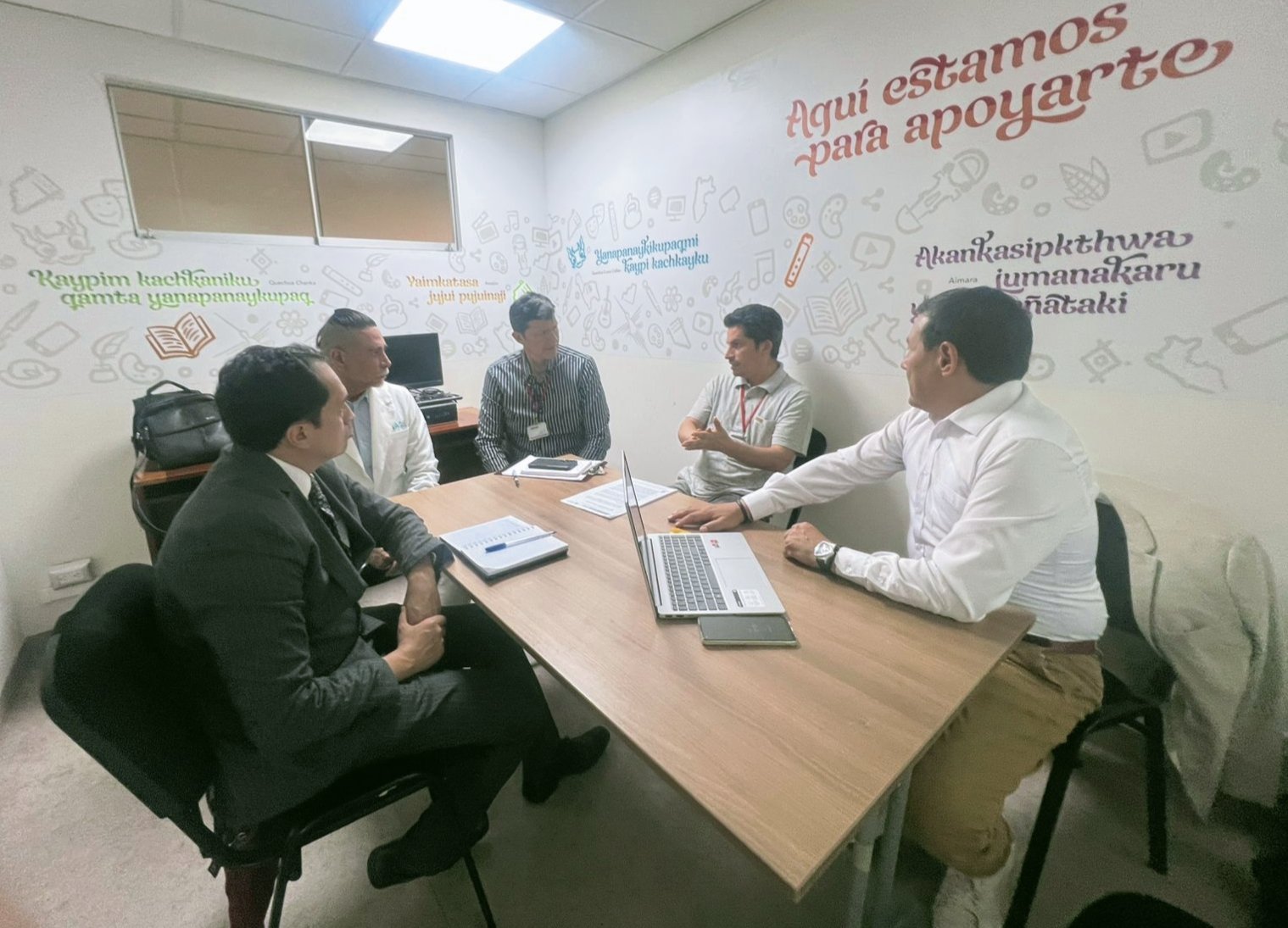
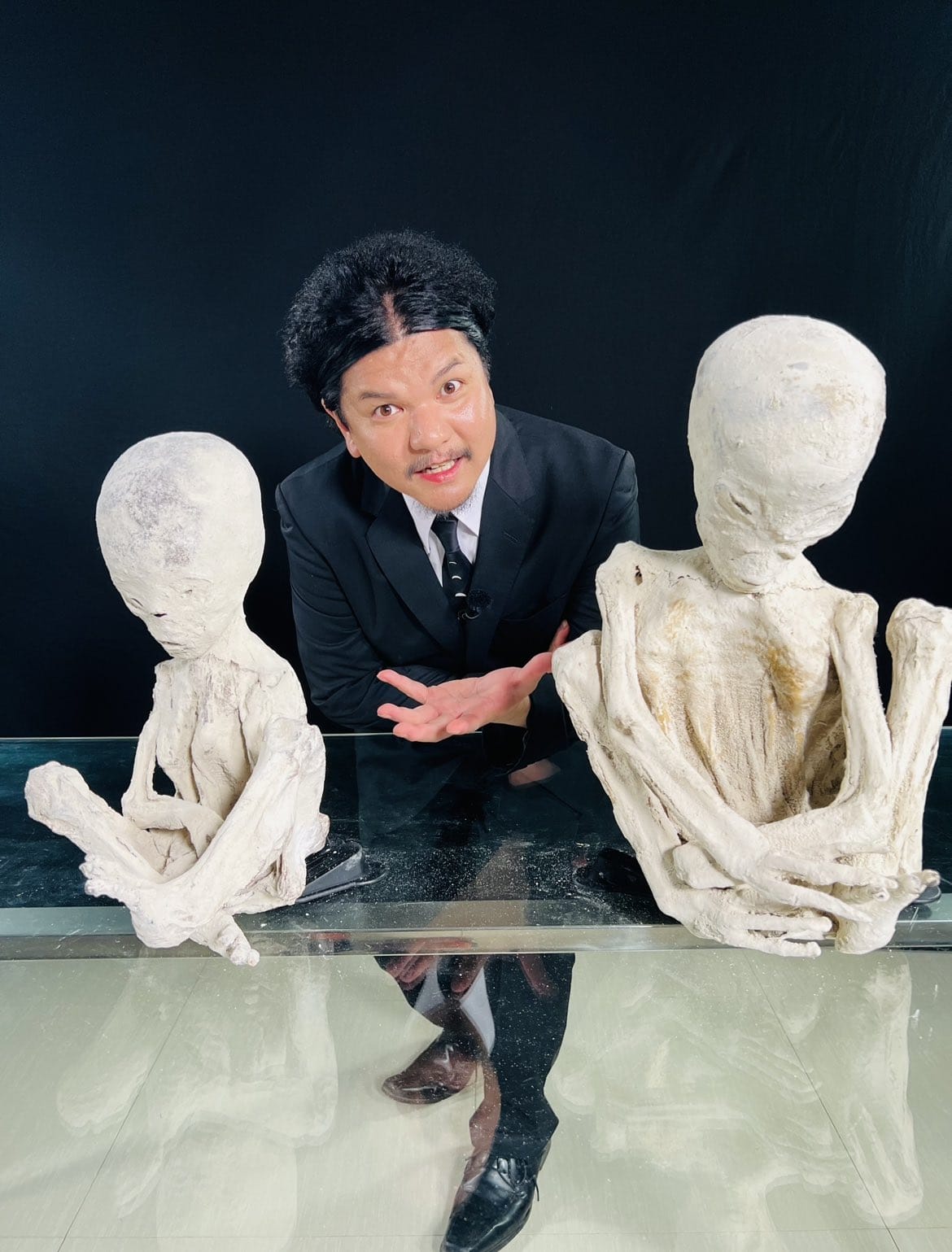
A press conference is held in Lima with Instituto Inkarri, Jaime Maussan, and Gaia TV presenting preliminary laboratory results.
July 2017
A mummified infant named "Wawita" is examined.
May 2017
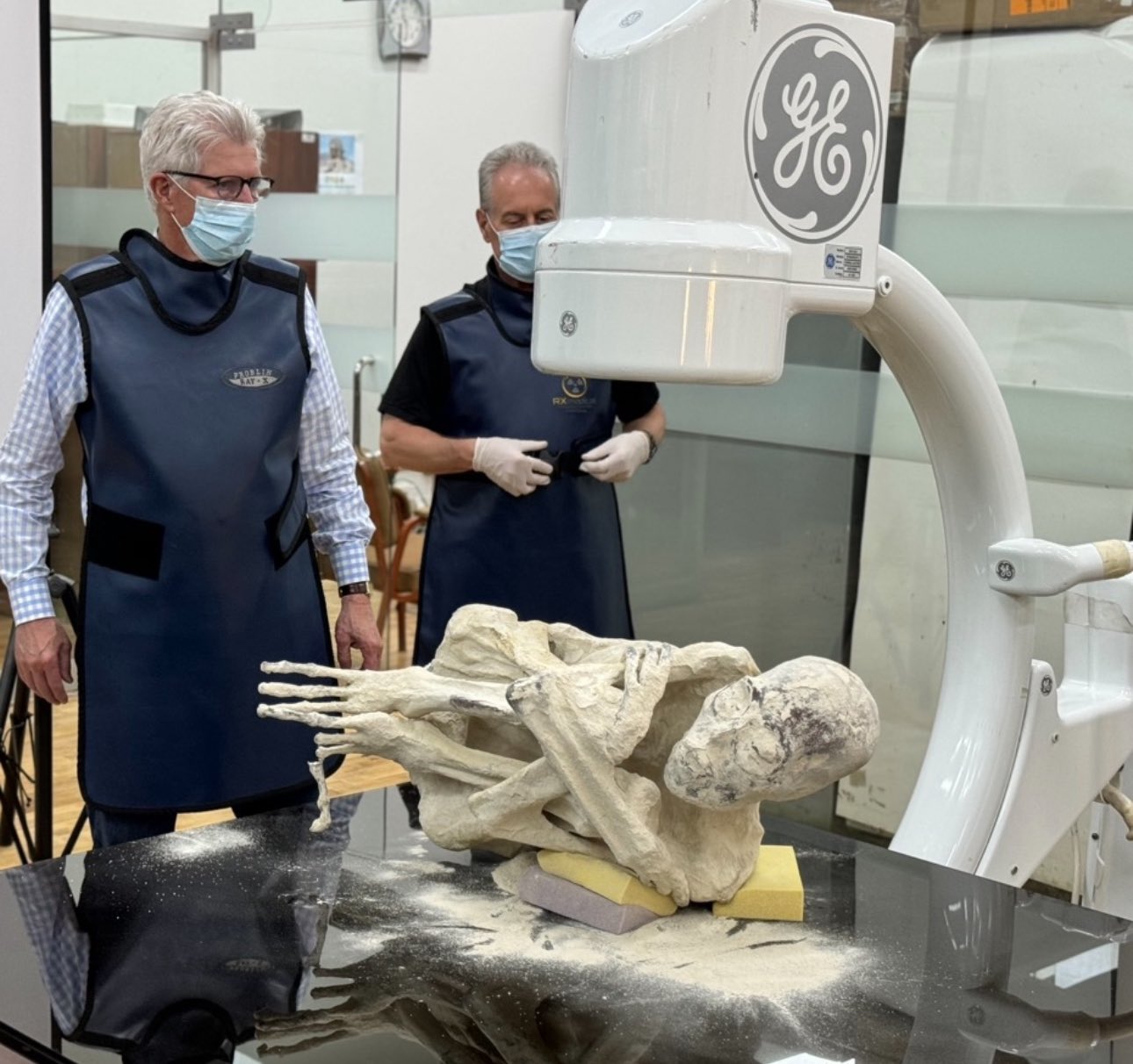
X-rays reveal three possible eggs inside "Josefina." First tomographies are taken of "Maria," "Josefina," and "Alberto." A new specimen, "Victoria," is recovered.
April 25, 2017
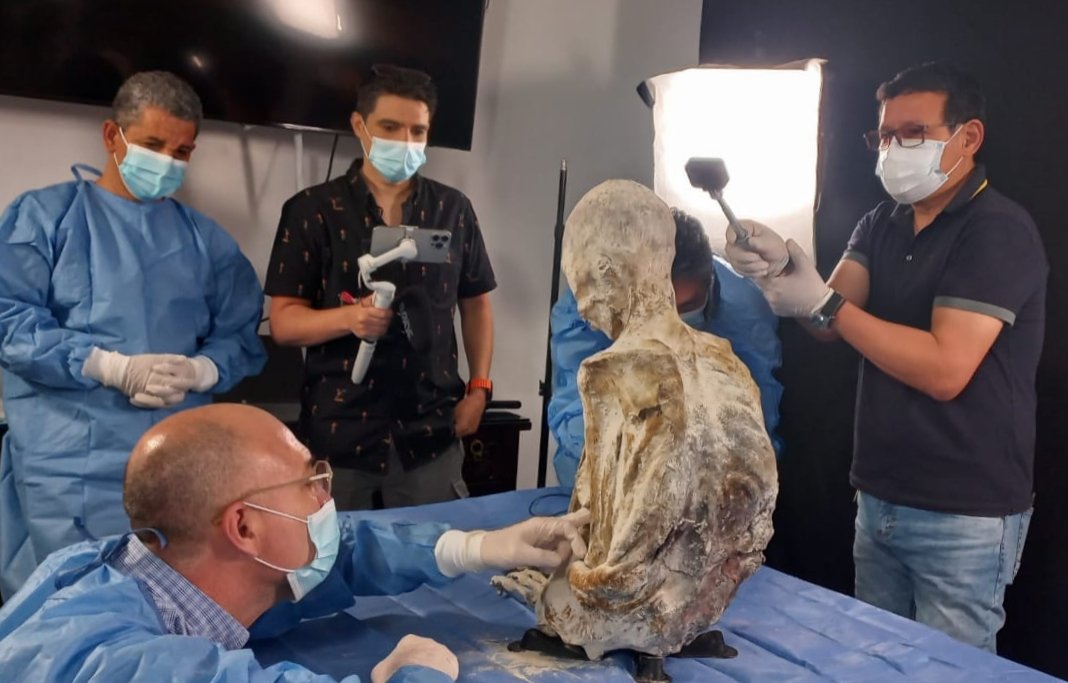
A larger tridactyl specimen named "Maria" is shown and temporarily lent for analysis. X-rays and DNA samples are taken.
April 23, 2017
Jaime Maussan, Mexican journalist, and a team of scientists (including Dr. José de Jesús Zalce Benítez) arrive in Cuzco, Peru, to study the specimens.
April 2017
Another complete mummified body, "Josefina," is recovered. Two mummified brains, carved stones, bone fragments, and metal objects are also found. Tissue samples are sent to labs outside Peru.
March 2017
Instituto Inkarri raises €39,500 for DNA analysis, radiocarbon dating, and X-rays. A complete small mummified body (60 cm) named "Alberto" is recovered and studied.
February 2017
Instituto Inkarri recovers two mummified heads and three mummified hands. Peruvian surgeon Edson Salazar Vivanco analyzes the specimens, suggesting DNA analysis and radiocarbon dating.
January 2017
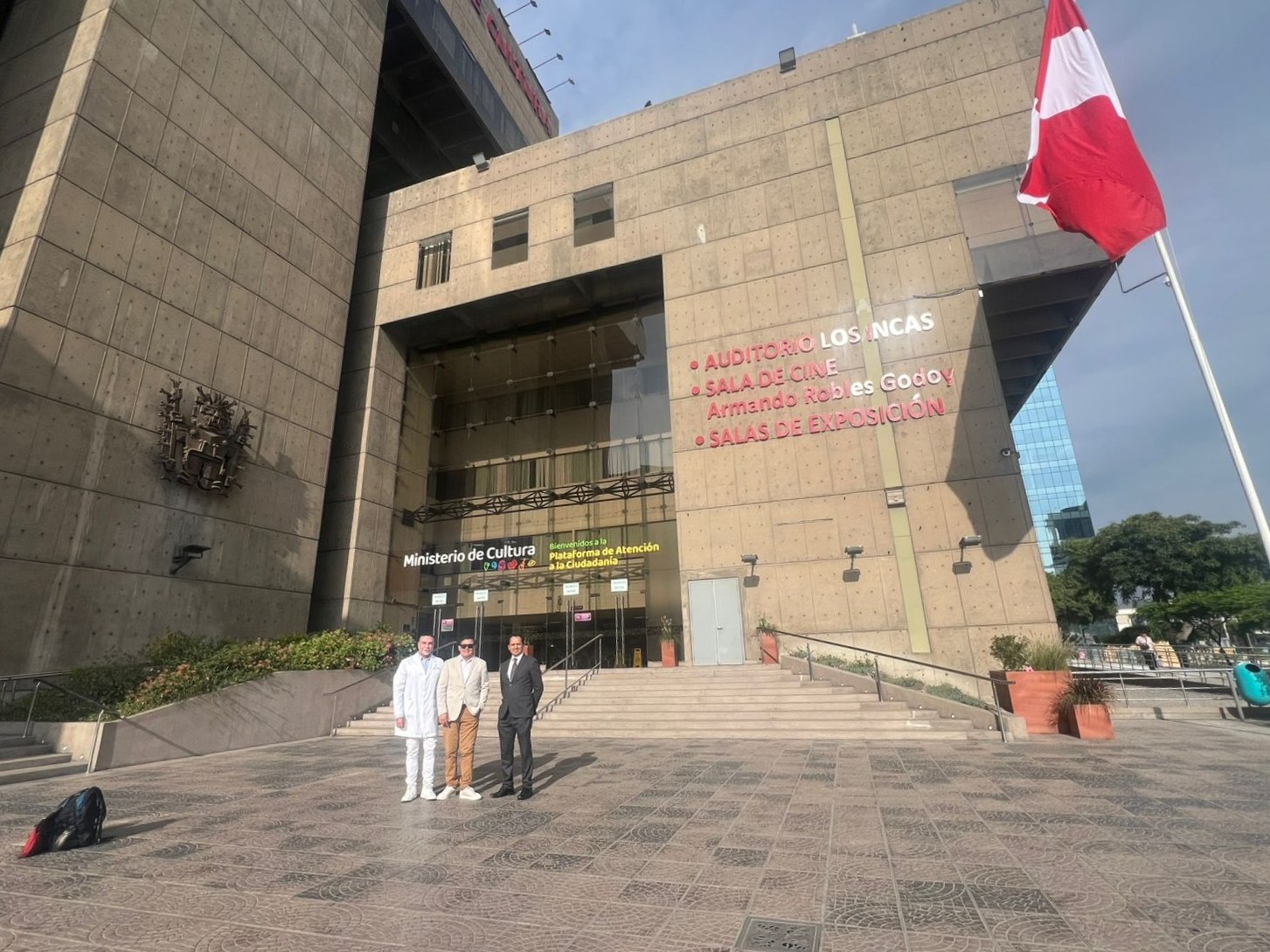
Thierry Jamin, Director of Instituto Inkarri, writes to the Peruvian Ministry of Culture urging them to investigate the findings. Instituto Inkarri travels to Nazca to meet the huaqueros (tomb raiders) and obtains a small specimen for X-rays.